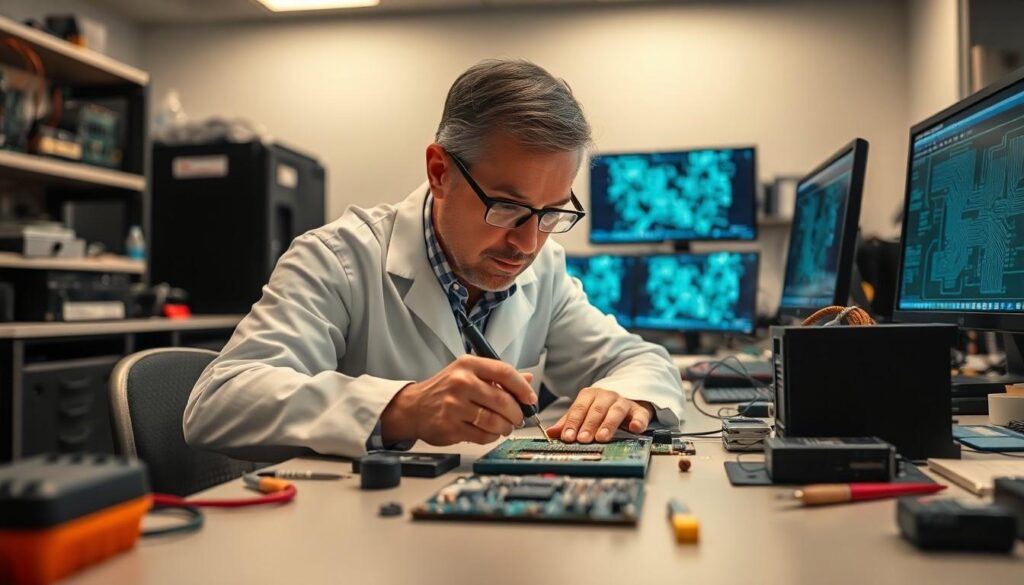
In a world where technology rules, computer hardware engineers are the unsung heroes, crafting the brains behind our beloved gadgets. But what does it take to become a wizard in this realm? Spoiler alert: it’s not just about knowing the difference between a motherboard and a muffin tray.
Overview of Computer Hardware Engineer Skills
Computer hardware engineers require a diverse skill set to excel in their roles. Proficiency in design principles and hardware architecture is fundamental. Knowledge of circuit design and component specifications directly affects project outcomes.
Analytical skills allow engineers to troubleshoot complex hardware issues efficiently. They examine system performance and identify bottlenecks swiftly. Strong programming skills in languages such as C or C++ enhance their ability to create effective hardware interfaces.
Attention to detail ensures accuracy in design and testing phases. Engineers must document their processes rigorously to facilitate collaboration with software teams. Familiarity with CAD software, such as AutoCAD or SolidWorks, aids in the visualization of complex designs.
Communication skills play a crucial role in the engineering process. Engineers present proposals, collaborate with multidisciplinary teams, and contribute to project meetings regularly. A solid understanding of manufacturing processes and materials enables strategic decisions regarding cost and efficiency.
Staying current with industry trends and emerging technologies is vital for maintaining a competitive edge. Participation in ongoing education or professional development programs enhances their expertise. Networking with other professionals also helps them keep pace with evolving standards in hardware engineering.
The combination of technical knowledge, analytical prowess, attention to detail, and effective communication forms the backbone of successful computer hardware engineering. He or she should prioritize continuous learning to adapt to rapid technological advancements in this dynamic field.
Core Technical Skills

Computer hardware engineers rely on a range of technical skills essential for their roles. Mastery in specific areas enhances their effectiveness in developing hardware components.
Circuit Design and Analysis
Circuit design serves as the foundation for hardware engineering. Engineers utilize simulation software to create and analyze circuit designs. Understanding voltage, current, and resistance relationships ensures optimized circuit performance. Skills in troubleshooting enable identification and resolution of potential issues before production. Familiarity with tools like oscilloscopes and multimeters increases efficiency in testing circuits.
Prototyping and Testing
Prototyping involves creating a working model of a hardware design. Engineers test prototypes to ensure functionality aligns with specifications. Analyzing test results requires critical thinking and problem-solving skills. Iterative testing allows for modifications to enhance design accuracy. Adapting prototypes based on user feedback improves the final product’s effectiveness.
Hardware Description Languages
Hardware description languages (HDLs) play a crucial role in defining the behavior and structure of electronic systems. Engineers use HDLs such as VHDL and Verilog to model hardware designs. Mastery of these languages aids in synthesizing designs for implementation. Knowledge of simulation tools enhances the validation process of complex systems. Proficiency in HDLs allows for effective communication of design intentions across teams.
Essential Soft Skills
Computer hardware engineers require a blend of soft skills to excel in their roles. These skills enhance their ability to work effectively and innovate within technology-driven environments.
Problem-Solving Abilities
Problem-solving stands as a critical skill for hardware engineers. Engineers encounter complex challenges that demand creative solutions. They analyze data methodically to identify issues. This approach not only streamlines workflow but also improves overall project efficiency. Engineers often collaborate with teams to devise solutions that optimize hardware performance. Embracing a proactive mindset enables engineers to anticipate potential problems and mitigate risks effectively. Successful engineers view each challenge as an opportunity for growth and learning.
Team Collaboration
Team collaboration proves essential in the field of hardware engineering. Engineers frequently work with professionals from diverse disciplines, including software developers and project managers. Effective communication fosters a cohesive work environment. Collaboration allows engineers to leverage collective knowledge and diverse perspectives. When engineers share insights, they enhance innovation and maximize resources. Flexibility in working styles helps them adapt to different team dynamics. They also cultivate strong relationships, paving the way for successful project outcomes.
Industry-Specific Knowledge
Computer hardware engineers require specialized knowledge tailored to their field. Familiarity with industry standards plays a vital role in ensuring designs meet quality benchmarks.
Familiarity with Industry Standards
Understanding industry standards is crucial for hardware engineers. Engineers work with guidelines set by organizations like IEEE and ISO. Compliance with these standards ensures compatibility and safety in hardware designs. Adhering to established protocols facilitates product development and enhances market readiness. Knowledge of safety regulations and performance criteria is essential in creating reliable devices. Staying updated on revisions to these standards is necessary to maintain compliance and improve product quality.
Trends in Computer Hardware Engineering
Emerging trends significantly influence computer hardware engineering. Advances in artificial intelligence and machine learning impact hardware design and functionality. Engineers must adapt to innovations like quantum computing, leading to new approaches in hardware architecture. Developments in IoT require engineers to integrate connectivity features in devices. Increased focus on energy efficiency drives the creation of low-power components. Staying informed about these trends ensures engineers remain competitive and can propose forward-thinking solutions.
Career Development for Hardware Engineers
Career development involves ongoing learning and professional engagement for hardware engineers. Staying current with technological advancements enhances their skills and expertise.
Continuing Education and Certifications
Continuous education plays a vital role in a hardware engineer’s career. Engineers often pursue specialized certifications such as Certified Hardware Design Engineer (CHDE) and Project Management Professional (PMP). These credentials validate their expertise and improve career prospects. Online courses from platforms like Coursera and edX provide opportunities to learn emerging technologies. Moreover, attending workshops and seminars helps engineers stay updated on industry trends and best practices. By obtaining relevant certifications, engineers demonstrate their commitment to professional growth, making them more competitive in the job market.
Networking and Professional Organizations
Networking enhances career opportunities for hardware engineers. Joining organizations like the IEEE and the Association for Computing Machinery (ACM) connects engineers with like-minded professionals. Participation in local meetups and conferences fosters relationships that can lead to job opportunities and collaborative projects. Engaging with online forums and groups allows for sharing knowledge and resources. Additionally, networking helps engineers stay informed about industry developments. Through active involvement in professional organizations, engineers gain access to valuable resources, job boards, and mentorship opportunities that can significantly benefit their careers.
Mastering the skills of a computer hardware engineer is essential for navigating the complexities of today’s technology landscape. A robust blend of technical expertise and soft skills lays the foundation for success in this dynamic field. Engineers must remain adaptable and continuously update their knowledge to keep pace with emerging trends and innovations.
Engaging in ongoing education and professional development not only enhances individual capabilities but also opens doors to new opportunities. By fostering collaboration and effective communication within multidisciplinary teams, hardware engineers can drive innovation and contribute to the advancement of technology. Embracing these skills ensures that engineers remain at the forefront of their profession, ready to tackle the challenges of tomorrow.