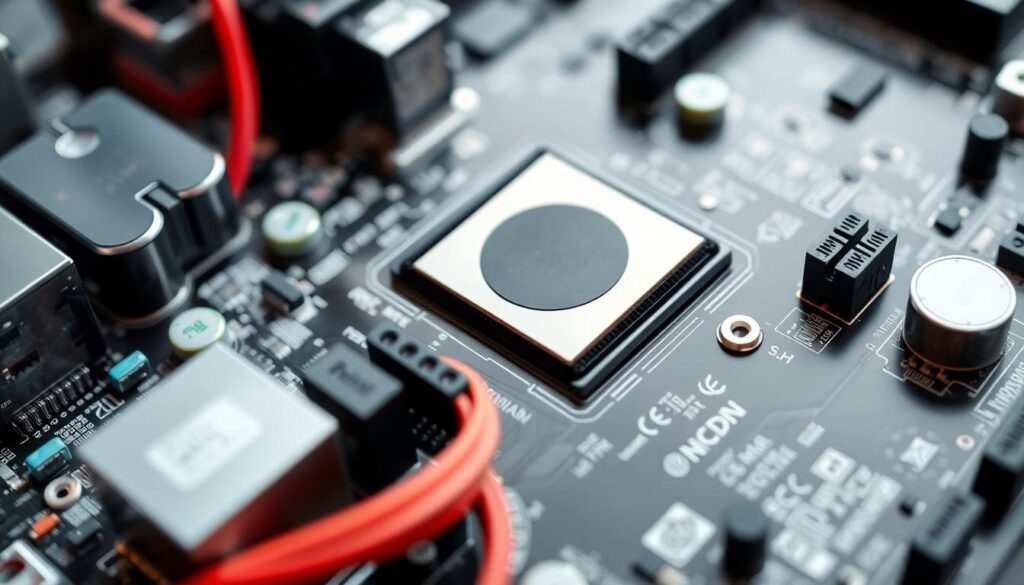
In the vast universe of computing, one piece of hardware reigns supreme: the motherboard. Think of it as the heart of your computer, where all the magic happens. It’s not just a fancy circuit board; it’s the social hub for every electronic component, from the CPU to the RAM. Without it, your computer would be like a party with no music—awkward and pretty dull.
Imagine trying to connect your favorite gadgets without this essential piece. It’s like attempting to make a sandwich without bread—just not gonna work! Understanding the role of the motherboard unlocks the mysteries of your computer system, making it easier to troubleshoot, upgrade, or even build a new rig from scratch. So buckle up as we dive into the world of motherboards and discover why this unsung hero deserves a standing ovation.
Overview of Computer Hardware
Computer hardware consists of essential physical components that enable functionality. The motherboard, also called the mainboard, serves as the foundation, connecting all other hardware elements. Central Processing Unit (CPU) acts as the brain, processing instructions from software and coordinating actions. Random Access Memory (RAM) stores temporary data, allowing quick access for the CPU during operation.
Storage devices retain data long term. Hard Disk Drives (HDD) and Solid State Drives (SSD) provide different speeds and storage capacities. HDD typically offers larger storage at a lower cost, while SSD delivers faster performance.
Graphics Processing Units (GPUs) enhance visual output, especially important for gaming and graphic design. Heavily graphics-dependent applications benefit greatly from dedicated GPUs, which offload processing from the CPU.
Power supplies deliver necessary electrical energy to all hardware. Without a reliable power source, no component operates efficiently. Cases house all internal parts, ensuring adequate airflow and protection from physical damage.
Peripheral devices expand a computer’s capabilities. Keyboards, mice, and monitors serve as primary interfaces for user interaction. Printers and external drives add further functionality, bridging the gap between digital and physical.
Each hardware component plays a vital role in a computer’s overall performance. Understanding their interconnections aids in troubleshooting and component upgrades. Knowing how these parts work together enhances a user’s ability to maintain and optimize their computer system effectively.
The Role of This Hardware in a Computer System

This hardware plays a vital role in ensuring a computer system functions efficiently. It serves as the primary foundation that connects all essential components.
Types of Electronic Components
Various electronic components reside on the motherboard, each performing crucial functions. The CPU processes data and executes commands, while RAM provides short-term memory for quick data access. Other components, such as chipsets, manage data flows between the processor, memory, and peripherals. Additionally, expansion slots allow users to add GPUs or sound cards for enhanced capabilities. Capacitors and resistors stabilize power supply and signal quality. Together, these components create a cohesive system responsible for the computer’s performance.
Importance of This Hardware
The significance of this hardware in a computer system cannot be overstated. It facilitates communication among components, ensuring seamless operation. Efficient data transfer between the CPU and RAM impacts performance during demanding tasks like gaming or video editing. The motherboard also plays a key role in system expandability, allowing users to upgrade components as technology advances. Compatibility with various peripherals improves user experience, enabling a personalized computing environment. By understanding the importance of this hardware, users can make informed decisions regarding upgrades and repairs.
Key Features of This Hardware
This hardware serves as the backbone of a computer system, hosting essential components that contribute to overall functionality. Understanding its features aids users in maximizing performance and ensuring compatibility.
Performance Metrics
Performance metrics help evaluate the motherboard’s effectiveness in managing tasks. Key aspects include data transfer rates, which measure how quickly information travels between components. Bandwidth plays a significant role; a higher bandwidth allows faster communication, enhancing the system’s responsiveness during heavy usage. Latency measures the delay in communication, with lower latency resulting in quicker data processing.
The motherboard’s ability to support advanced technologies, such as PCIe lanes for graphics cards, also influences performance. Users benefit from knowing these metrics as they directly relate to computing speed and efficiency.
Compatibility Considerations
Compatibility considerations are crucial when selecting a motherboard. Different CPU models require specific socket types, ensuring proper fit and functionality. RAM specifications, including type and speed, must align with motherboard requirements for optimal performance.
Additional components, such as GPUs and storage drives, also depend on compatibility criteria. Users should confirm that the motherboard supports necessary interfaces, such as SATA for HDDs or M.2 for SSDs. Assessing compatibility early in the build process avoids potential issues, enabling a seamless integration of components.
Maintenance and Upgrades
Maintaining and upgrading hardware is essential for optimal computer performance. Following best practices ensures longevity and efficiency.
Best Practices for Care
Cleaning the motherboard regularly helps prevent dust buildup, which can cause overheating. Using compressed air can effectively remove debris from the components. It’s important to check connections and cables for any signs of wear or looseness. Properly managing temperatures through adequate ventilation or cooling solutions extends the lifespan of each component. Users should also avoid static electricity by grounding themselves before touching any internal parts, as this reduces the risk of damage. Routine monitoring of system performance helps identify potential issues early.
Upgrading Components
Upgrading components enhances a computer’s functionality and performance. Users can start by assessing their current hardware limits, especially for RAM and storage drives. Installing additional RAM often results in noticeable speed improvements for multitasking. When considering storage upgrades, switching from an HDD to an SSD provides faster boot and load times. Graphics cards can also significantly enhance gaming and graphic design experiences, making it essential to check compatibility with the motherboard. Timing the upgrades according to evolving software requirements ensures a well-rounded and future-proofed system.
Understanding the crucial role of the motherboard and its relationship with other computer components is essential for anyone looking to optimize their computing experience. By recognizing how the motherboard facilitates communication between the CPU RAM and storage devices users can make informed decisions when it comes to upgrades and repairs.
Maintaining the motherboard and ensuring compatibility among components can significantly enhance system performance. Whether it’s cleaning dust or upgrading RAM and storage users can take proactive steps to ensure their computer runs smoothly. This knowledge empowers users to build customize and troubleshoot their systems effectively.